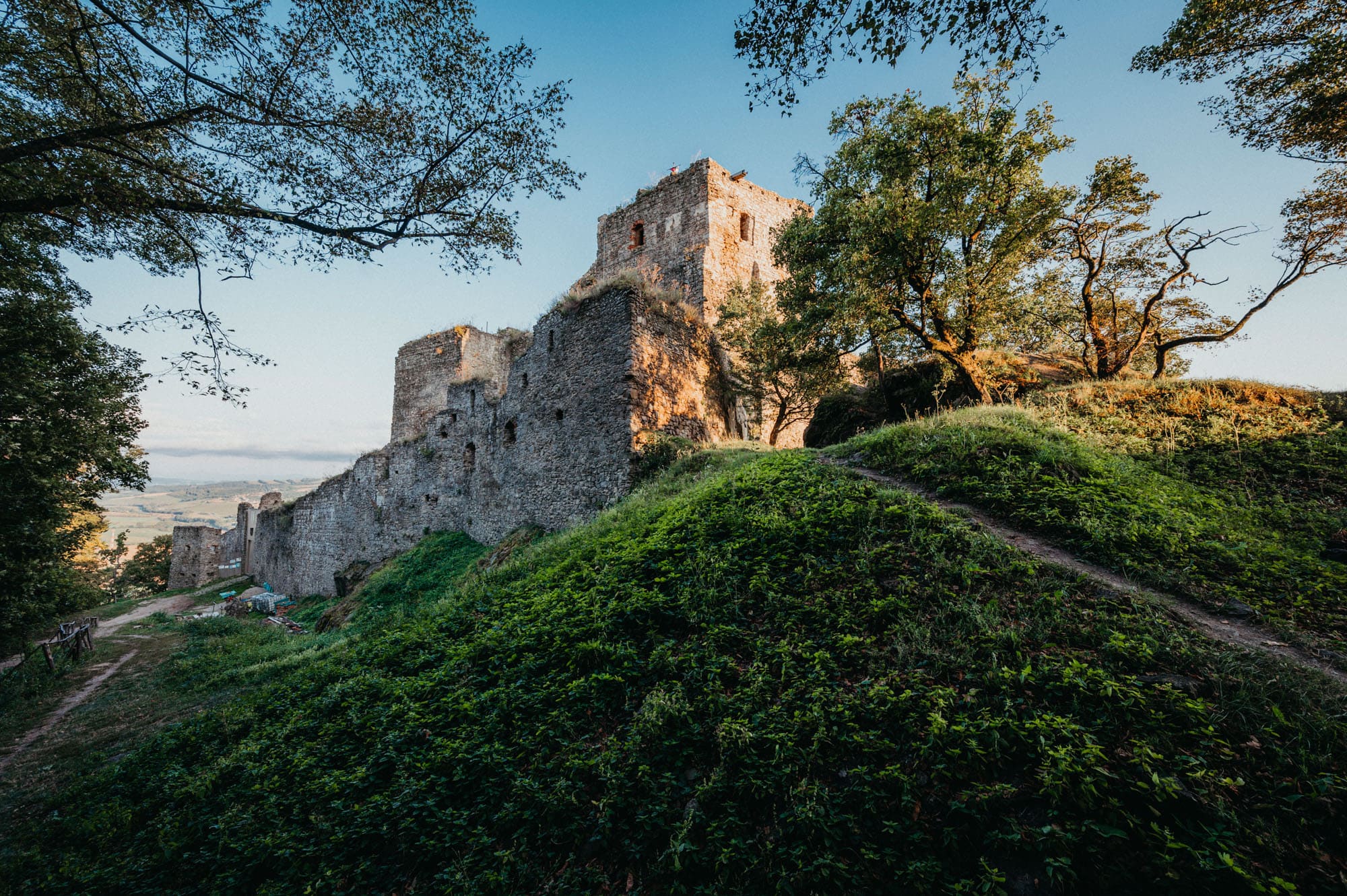
Kapušiansky Castle It is situated on Zámčisko Hill above the village of Kapušany near Prešov. Kapušany Castle, a national cultural monument, is situated at an altitude of 504 metres above sea level in a nature reserve Kapušiansky Castle Hill covering an area of 18.1 ha, with a significant botanical site on volcanic rock. An ancient Slavic fortified settlement is thought to have stood on this site.
The Adventures of Kvak the Servant
Title Kapušany Castle derives from the Hungarian word gate. In the past, this was the main border crossing into Poland, as evidenced by the collection of tolls documented in 1332. Its strategic location necessitated the construction of a stone castle. On the hill, as early as In the 13th century, the royal castle was situated, which was called Maglovec or Mogluch, named after its owner Maglod, whose family died out in 1300. In 1315, it was captured by the royal army following a rebellion led by its owner, Henry of Brezovice, who was imprisoned after the castle’s capture. The castellan was freed by his loyal servant Kvaka, who sacrificed himself and took his master’s place in the dungeon. Upon discovery of this swap, Kvaka was cruelly punished by having both his hands cut off. The castellan did not forget his self-sacrificing servant and, as compensation, gifted him the village of Kvakov. After the departure of the royal troops, the heavily damaged castle fell into disrepair. By 1347, it was recorded merely as the site of a ruined castle – locus castri. Later, the owner, Andrej de Koka, built a new castle on the old, preserved walls. According to contemporary records, the construction of the castle required not only a considerable sum of money but also 165 barrels of wine and several thousand eggs. The castle was built as a residence for the lord of the manor and later served as accommodation for soldiers.
The castle’s turbulent history
In 1440, King Vladislav I Jagiellon granted the castle to the nobles of Rozhanovce, but by 1464 it was already mentioned as the property of Ján of Kapušany. A document from 1468, in which King Matthias ordered Košice, Bardejov and Prešov to assist Imrich Zápoľský in the conquest of Kapušiansky Castle, suggests that it had been occupied by the Brethren. At the end of the 15th century, it came under attack by the Polish forces of John Albert. Following these attacks, the castle was damaged and was therefore rebuilt in the following century, with the addition of a lower courtyard. Farm buildings, craft workshops and a guardhouse were gradually added. At the turn of the 16th and 17th centuries, the estate moved to the manor house in Tulčík and the castle became a refuge (serving as a place of shelter). A garrison remained at the castle, and the nobility only took up residence there in times of danger. During the anti-Habsburg uprising, the castle was occupied in 1686 by the famous Kuruc leader Imrich Tököly. In 1709, it fell into the hands of František II Rákoczi, whose commander Telekessy ordered the castle to be set alight. Kapušiansky Castle returned to the Kapy family in 1712, and Eva Gergelakyová, the widow of Gabriel of Kapušany, had it repaired once more. Three years later, however, following a decision by the Hungarian Diet, it was burnt down to prevent it from becoming a centre of the anti-Habsburg movement.
Extensive archaeological research
Since then, the castle has stood in ruins. However, as late as 1879, the castle was still relatively well-preserved, albeit without roofs (according to Miskovszky’s drawings). Between 1975 and 1976, archaeological research was carried out at Kapušiansky Castle and it was included in the list of national cultural monuments. The Roman Catholic dean Juraj Macák was also involved in the archaeological work at this site. In 2012, after almost three hundred years, work began on the conservation and restoration of the castle, a National Cultural Monument, including the necessary archaeological and architectural-historical research, and this work continues to this day.
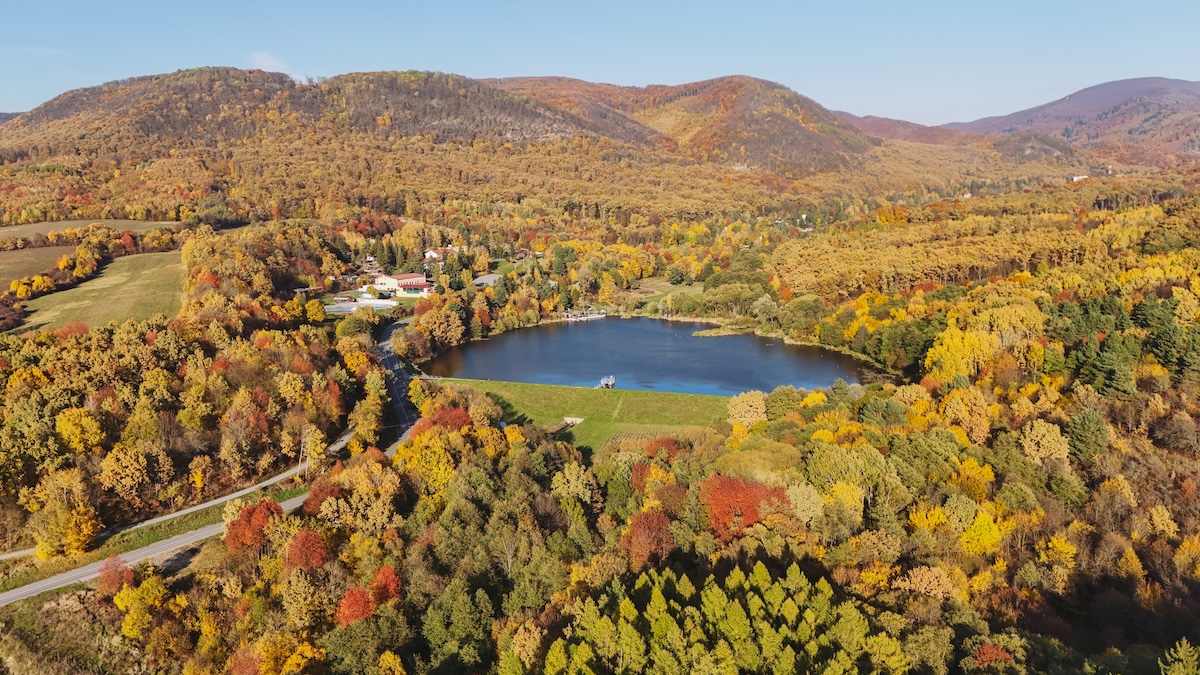
Today, the castle is a very well-preserved ruin offering a magnificent view, particularly of Slanské vrchy, as well as the Sekčova Valley and the Ondava Uplands.
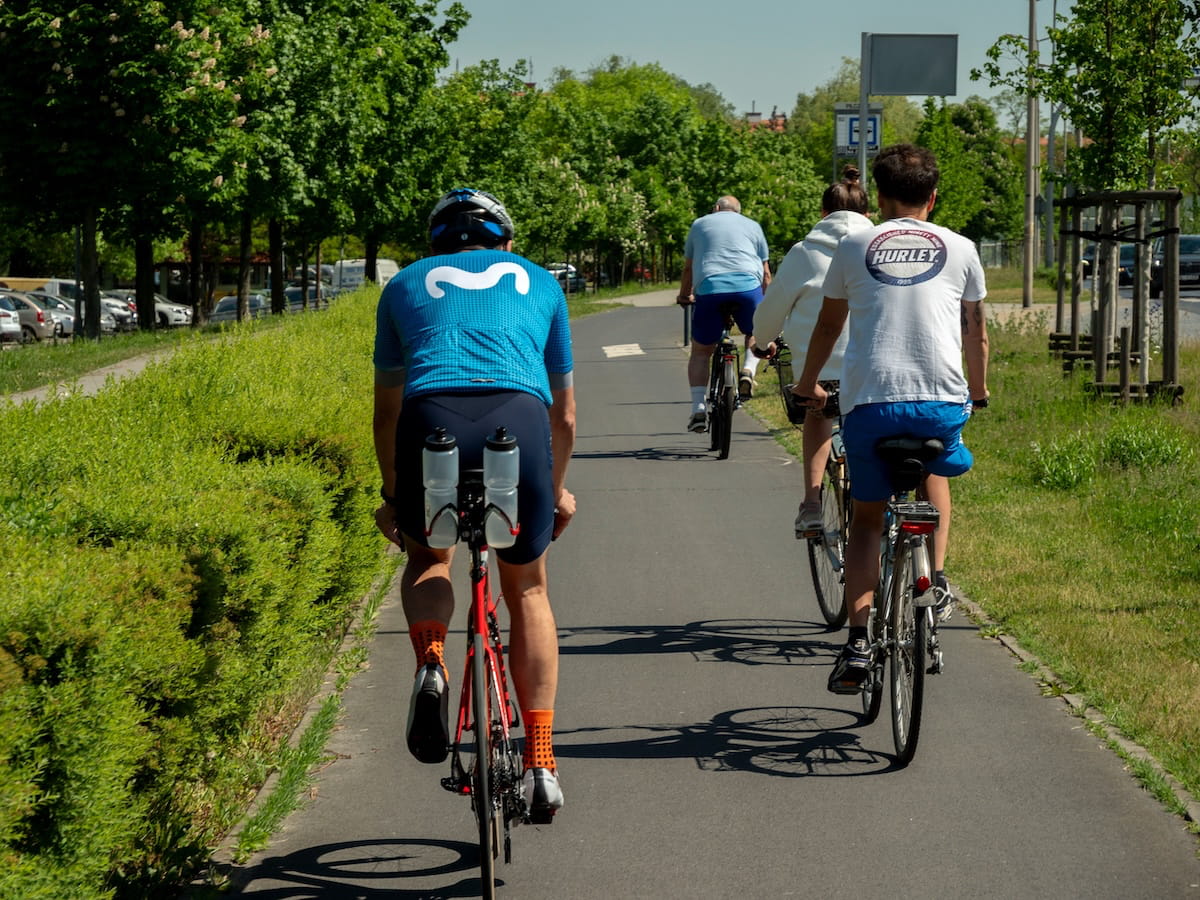
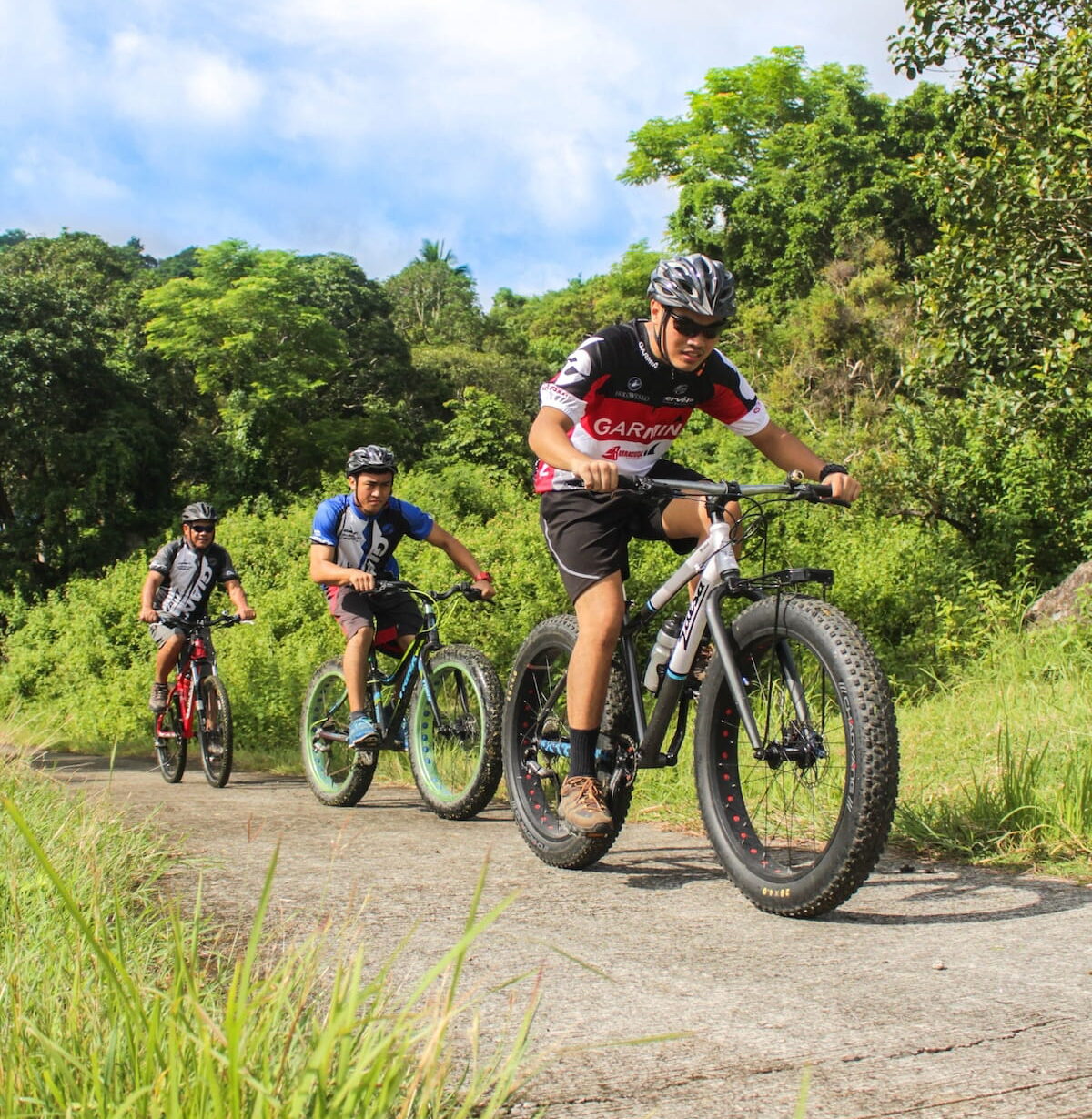
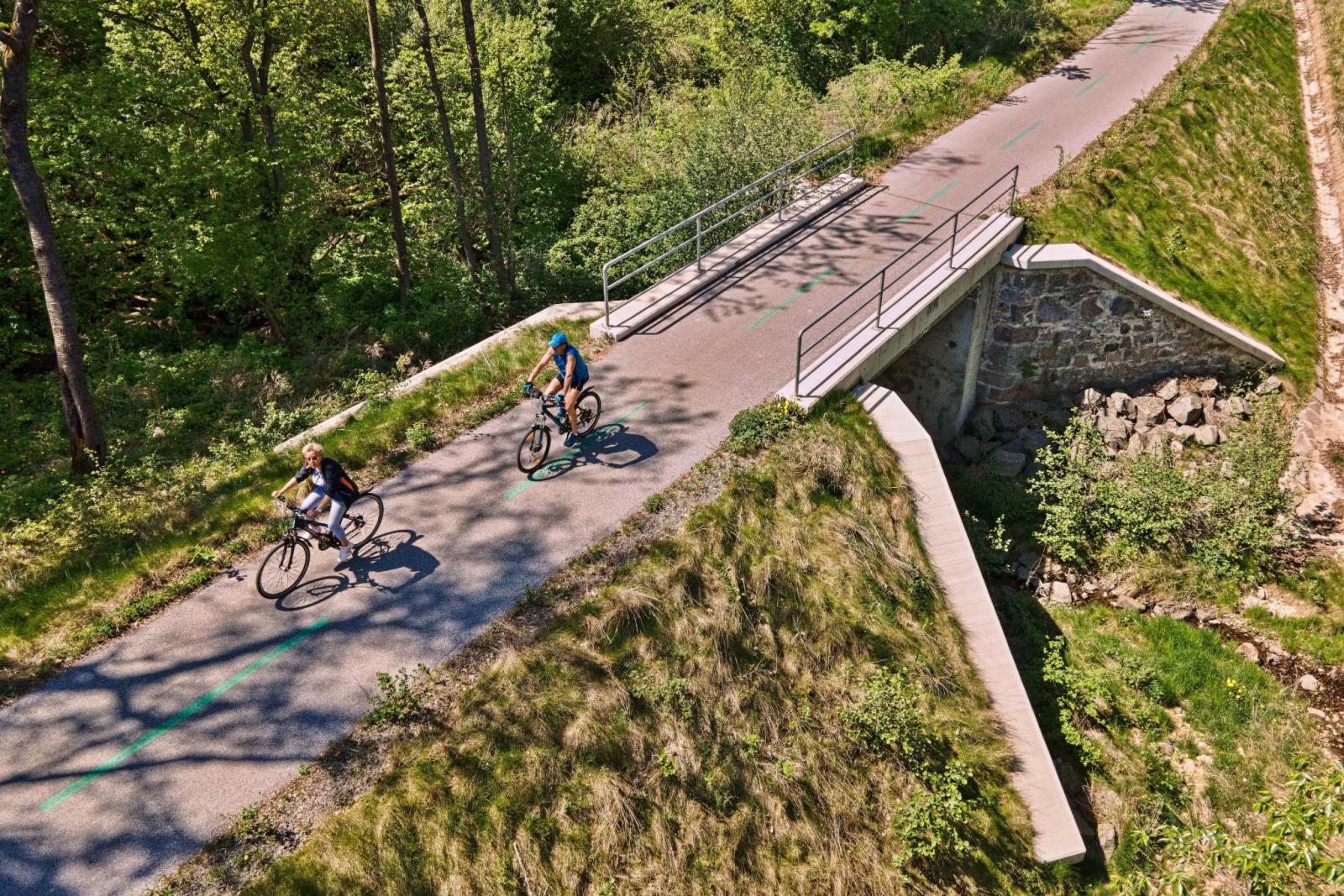
The castle is popular with cyclists as well as runners – usually from the direction of the villages of Tulčík and Fulianka.
Kapušiansky Castle is part of Šariš Castle Road.
Source.
Photo source:OOCR RŠ
Map
Gallery

Information
Kapušany Castle is situated on Zámčisko Hill above the village of Kapušany, approximately 10 km from Prešov. You can drive to the official car park below Kapušany Castle (Lesná Street), where you can park.
From there, a signposted footpath leads up to the castle; the climb takes around 40 to 60 minutes and is steeper in places, so sturdy footwear is recommended.